
The war in Iran is entering its fifth week—and already, its effects are being felt far beyond the Middle East.
In Nigeria, those effects are not abstract. They are showing up in rising prices, tighter household budgets, and a growing sense of economic pressure that is becoming harder to ignore.
This is how distant conflicts travel.
They move through oil markets, through global supply chains, and through investor behaviour. By the time they arrive locally, they are no longer geopolitical—they are economic.
And they are personal.
The first signal is oil. Global prices have risen sharply on the back of uncertainty and supply risk. For an oil-producing country like Nigeria, that should be good news. Higher prices mean higher revenue, stronger inflows, and a more comfortable fiscal position.
On paper, Nigeria stands to gain. In reality, it is never that simple.
Because Nigeria does not operate in isolation from the global economy—it is deeply exposed to it. Higher oil prices raise the cost of energy, transportation, and production. They increase the cost of imports. They reshape how businesses price goods and how households spend.
A clear example is petrol.
In the weeks before the conflict, fuel prices had settled roughly between ₦620 and ₦700 per litre. Within a short period, that climbed toward ₦850 and above, crossing ₦1,000 in some areas. In Kano, it has reached ₦1,300.
But the significance of that increase is not just in the price of fuel itself—it is in what follows.
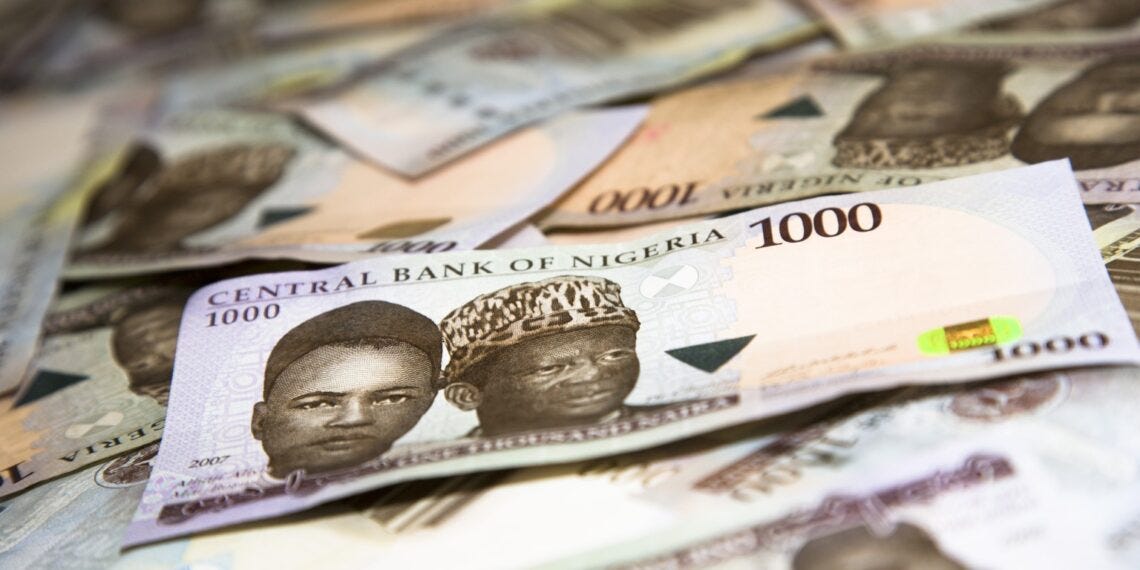
Once energy costs rise, the effects cascade. Transport becomes more expensive, and with it, the cost of moving food and goods across the country. Traders adjust prices. Markets respond. Households feel the change almost immediately.
Fuel is not the whole story—but it reveals how the story works.
At the same time, global uncertainty feeds into currency pressure. Investors become more cautious. Capital flows shift. Import costs rise further. The strain builds from multiple directions at once.
What begins as an external shock becomes a domestic squeeze. And this is where Nigeria’s structural vulnerability becomes clear. The country benefits from oil revenues at the top—but remains exposed to global price movements across the rest of its economy. It earns from oil, yet absorbs its consequences through rising costs of living.
Two realities, operating at once. In the short term, this creates a familiar imbalance. Government revenues improve, but households face rising expenses. Inflation strengthens. Businesses adjust cautiously. Consumers cut back where they can. Over time, the effects deepen.
Sustained increases in energy and import costs begin to slow economic activity. Growth becomes more fragile. Policy responses become more reactive. And the initial gains from higher oil prices begin to narrow under the weight of broader economic pressure.
This pattern is not new. Nigeria has experienced similar cycles during previous periods of global instability. External shocks arrive. Oil prices rise. Revenues improve. But the wider economy absorbs the strain. And once again, the gap between those two outcomes becomes the real story.
The Iran war is not just another distant conflict. It is a reminder of how interconnected Nigeria’s economy has become—and how exposed it remains to forces beyond its control.
Because in the end, the issue is not whether global events affect Nigeria. It is whether Nigeria has finally built an economy that can absorb them. Right now, the answer is still uncomfortable. Because each time oil prices rise, the country earns more—but Nigerians pay more.
And until that changes, distant wars will continue to feel close for the same reason they always have: Not because they are near—but because Nigeria is still not built to keep them far away.